

Every garment begins with a decision.
Long before a pattern is drafted or a seam is sewn, we choose the material that will define how the piece feels, moves, and lasts.
For us, fabric is more than a surface. It shapes comfort, structure, durability, and the way a garment becomes part of everyday life.
At Twistan, how we select fabrics is part of the design process from the very beginning.
Ultimately, it’s where every design begins.
We Don’t Start With Trends
Every season introduces new colours, textures, and materials.
Some become popular overnight. Others disappear just as quickly.
Instead of following every new direction, we look for materials that will still feel relevant years from now.
A garment should outlast the trend that introduced it.
That means looking beyond the first impression and asking a more important question:
Will this fabric still make sense when the trend is gone?
Every Fabric Must Have a Purpose
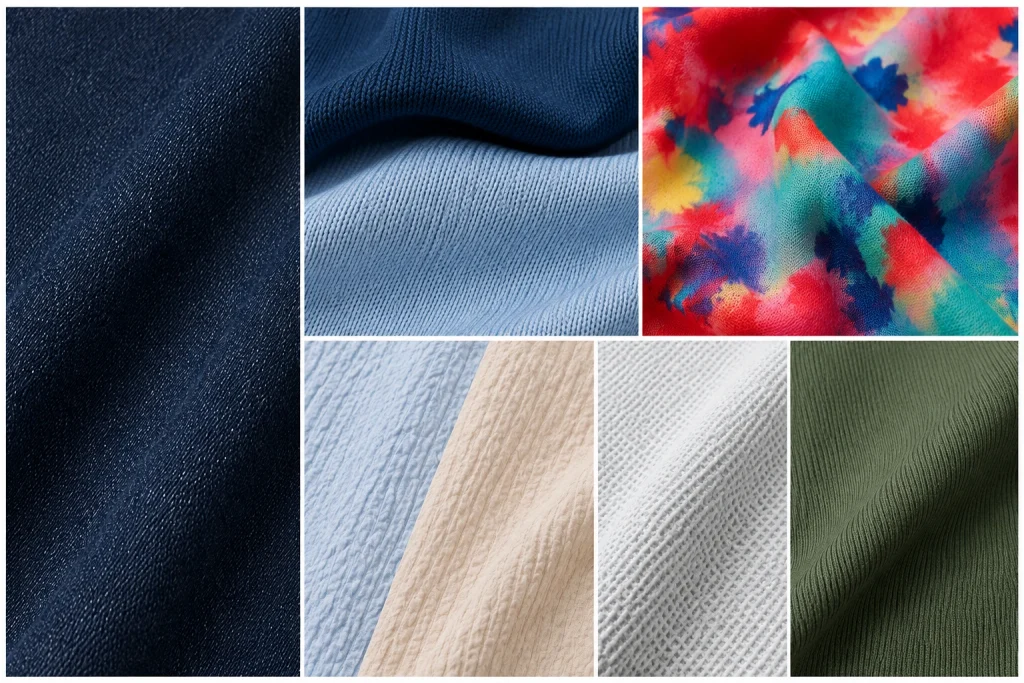
Not every beautiful fabric becomes a Twistan garment.
Before choosing a material, we consider how it will behave as part of the finished piece.
Does it support the silhouette?
Does it move naturally?
Does it feel right against the skin?
Will it maintain its character through repeated wear?
Can it become part of someone’s everyday wardrobe?
If the answer isn’t clear, we keep looking.
For us, fabric selection is about finding the right relationship between material and design.
Structure Comes Before Softness
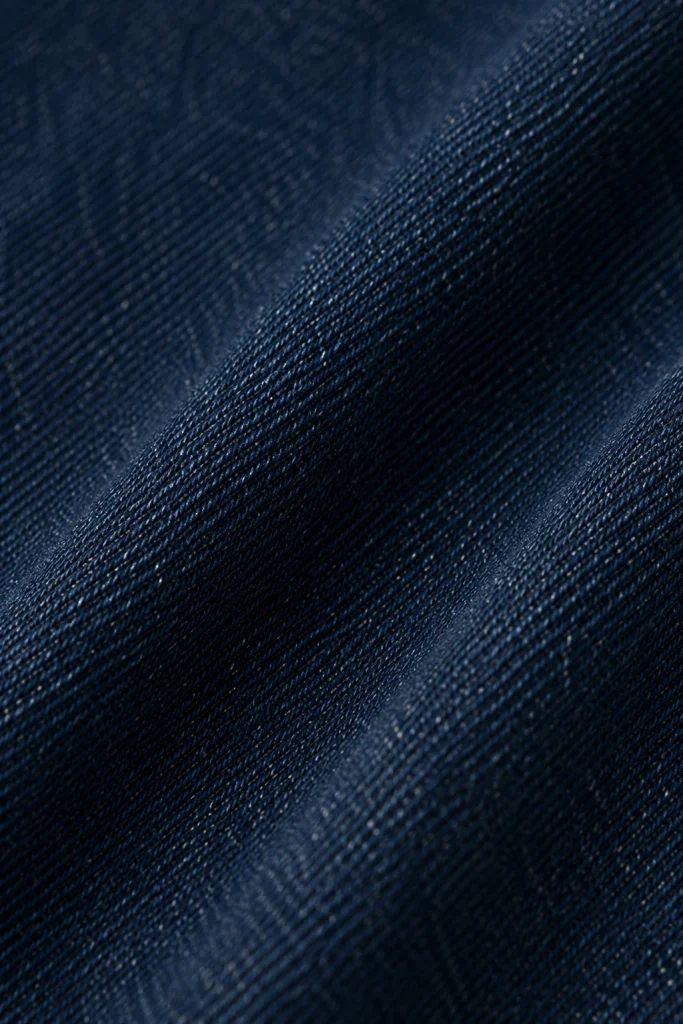
Softness is easy to notice.
However, structure takes longer to appreciate.
A fabric can feel incredibly soft when you first touch it, yet still lose its shape after repeated wear.
For that reason, comfort needs to work together with stability.
The right material should feel comfortable without becoming shapeless.
At the same time, it should move with the body while maintaining the character of the garment.
This balance is particularly important for everyday essentials because these are the pieces that are worn again and again.
Thinking Beyond the First Wear
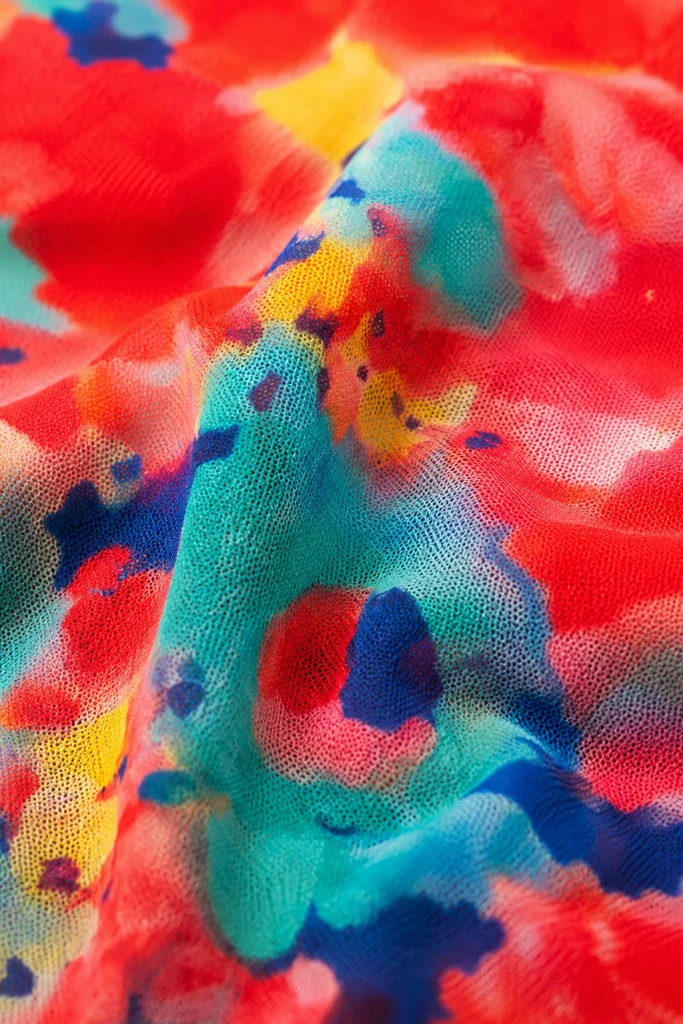
Many garments look their best on the day they are purchased.
We think further than that.
How will the fabric respond after washing?
Will it continue to drape naturally?
Will the colour remain consistent?
Will the garment become even more comfortable over time?
These questions influence every material we choose.
After all, a fabric that only works when it is new isn’t enough.
Choosing Less, Choosing Better
Working in small batches allows us to be more selective.
Rather than sourcing large quantities of every material, we focus on finding fabrics that genuinely support the design.
Sometimes that means waiting longer.
Sometimes it means choosing a different material.
In some cases, it even means producing fewer garments because the right fabric is not available in the quantity we need.
For us, these decisions are worthwhile if they result in better clothing.
Fabric Is Part of the Design
A fabric doesn’t simply cover a silhouette.
Instead, it helps create it.
The weight can change the way a garment falls. The texture can change how it feels. The structure can change how it moves.
Because of this, we don’t separate fabric selection from design.
They are part of the same process.
A good material makes a good design possible.
More importantly, the right material makes it feel effortless.
The Twistan Approach
How we select fabrics is closely connected to how we design.
We believe fabric should never compete with the design.
Instead, it should support it.
From denim and everyday T-shirts to dresses and jackets, every material is selected to create garments that feel balanced, durable, and effortless to wear.
Explore our Pocket Signature Tee → [https://thetwistan.com/product/mens-organic-cotton-pique-tshirt/]
Explore our Curved Seam Minimalist Denim Jacket → [https://thetwistan.com/product/womens-denim-jacket-minimalist/]
Explore our Sheer Mesh Floral Maxi Dress → [https://thetwistan.com/product/floral-maxi-dress-sheer-mesh/]
Final Thought
Fashion often begins with appearance.
We believe it begins with material.
When the fabric is right, everything built on top of it becomes stronger.
The silhouette feels better.
The garment performs better.
Ultimately, the piece has a better chance of becoming something you return to again and again.
That’s where lasting clothing begins.